
Pool Plaster Cost: What It Really Takes in 2026
Pool plaster cost is one of the most searched questions—and one of the most misunderstood.
A plaster or pebble finish is not just something applied to the inside of a pool. The result depends on what happens before the finish goes on: surface preparation, hydroblasting, bond coating, repairs, exposure method, and startup.
Quick reality: You are not paying for “plaster.” You are paying for preparation, correction, finish, exposure, and startup—all of which determine whether the surface lasts or fails early.
Typical pool plaster cost ranges
For a standard residential pool, plaster-related work varies widely depending on condition and scope—not just size.
Lower upfront cost, typically reflecting a reduced scope with less preparation, fewer corrections, and shorter expected lifespan.
Pebble projects involve full preparation, including hydroblasting, bond coating, repairs, controlled exposure, and proper startup.
With that full scope, properly executed residential projects are commonly seen in the $25,000–$45,000+ range.
Delamination, hollow areas, cracks, or previous installation issues can significantly change the required scope and cost.
These are not interchangeable options. They represent different levels of work, materials, and long-term outcomes.
Why square footage alone does not tell the story
A 16×32 pool may have roughly 1,000–1,200 square feet of surface area, but that does not account for condition, access, prep requirements, or underlying issues.
This is why plaster work cannot be accurately priced from size alone. The pool has to be evaluated before the scope makes sense.
What actually drives pool plaster cost
Delamination, hollow spots, scaling, cracking, and prior failures.
Hydroblasting, removal of unsound material, and proper surface profile.
Often required for proper adhesion—not an optional upgrade.
Cracks, fittings, tile transitions, drains, and structural concerns.
Controlled exposure matters. We use advanced pebble exposure methods to produce a smoother, more consistent finish without relying on aggressive acid washing shortcuts that can damage a new surface.
Water chemistry, brushing, and monitoring after installation.
Why cheap plaster often leads to failure
- Insufficient surface preparation
- Covering over unsound material
- Skipping or misusing bond coat
- Improper exposure techniques
- Aggressive acid washing
- Poor startup chemistry
These issues often do not show up immediately—but lead to early deterioration, staining, or failure.
Pool Envy® does not treat plaster as a commodity
We evaluate plaster work as part of the full system—surface condition, preparation, finish selection, exposure, and startup all matter.
That is why we do not provide free quotes. Every project starts with a Safety & System Evaluation to document actual conditions before discussing scope.
Not sure what your pool actually needs?
Start with a documented Safety & System Evaluation. That determines whether resurfacing, repair, or deeper correction is required.
Before you accept a plaster estimate
- What preparation method is included?
- Is hydroblasting included?
- Is bond coat included where required?
- How are underlying defects handled?
- What exposure method is being used?
- Who manages startup?
Go deeper
For a real-world breakdown of how plaster work is evaluated—and where projects go wrong— listen to the Pool Envy® Podcast.
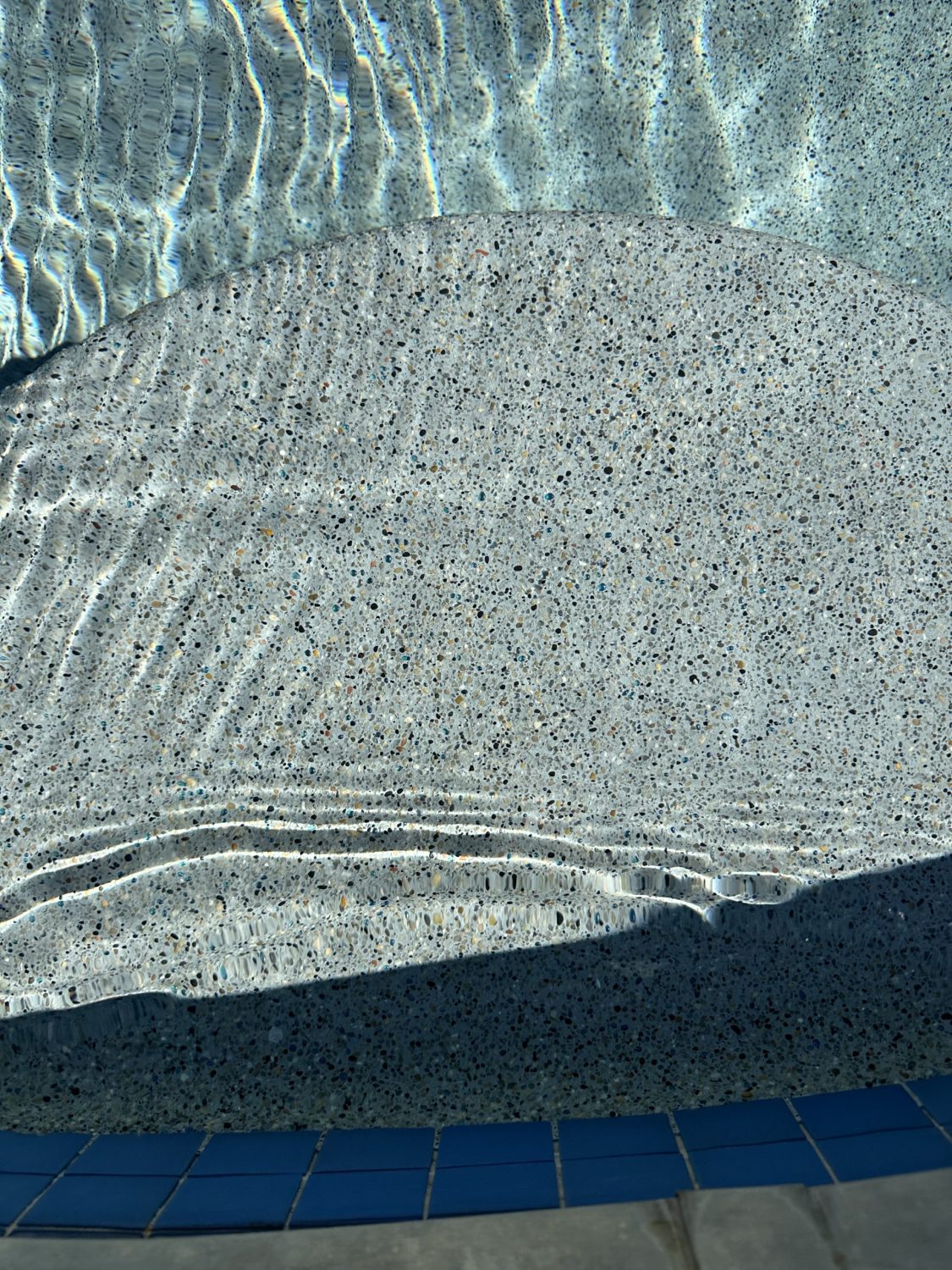
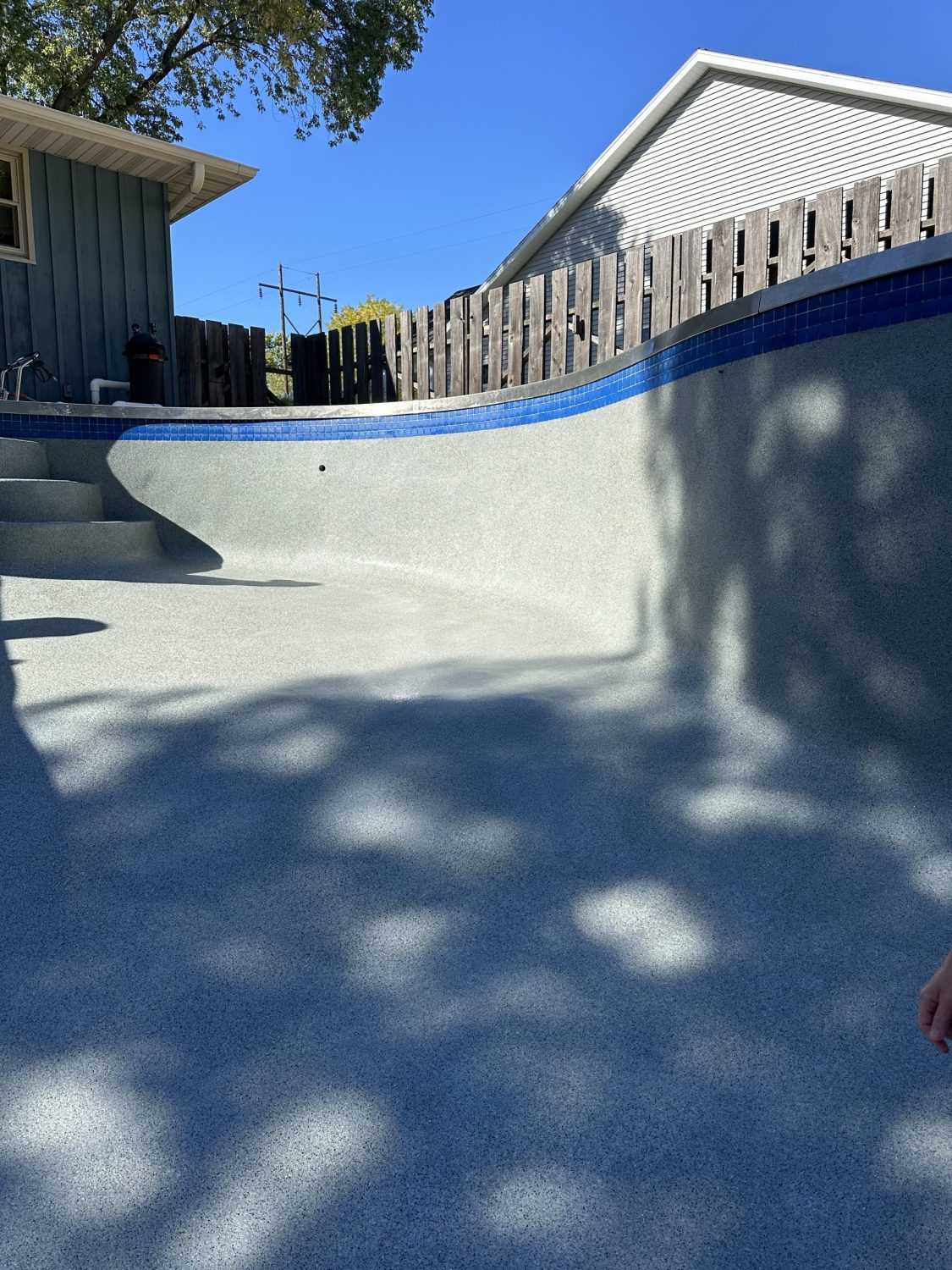
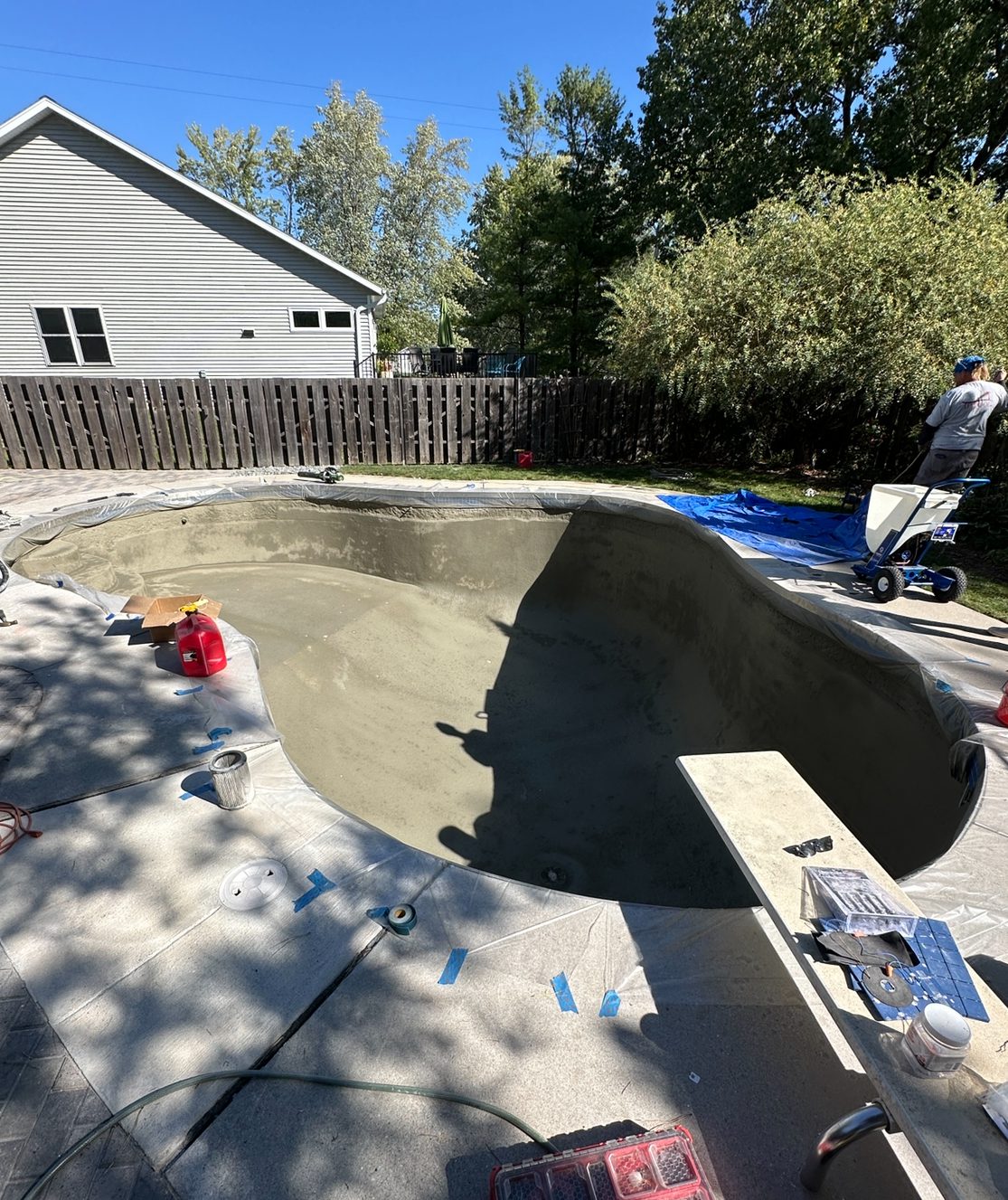
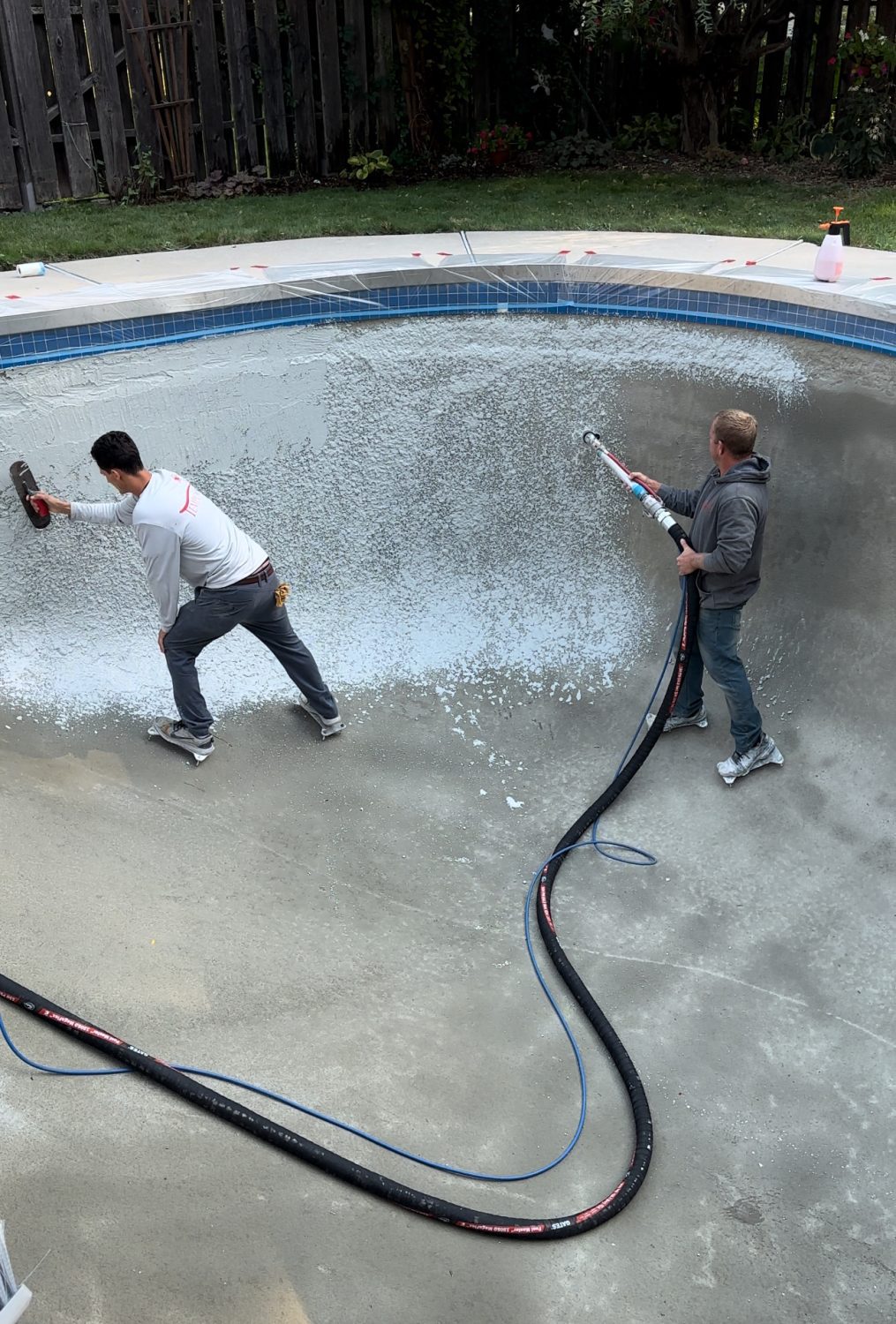
Project Gallery — Plaster Prep, Exposure & Finish
These photos show the type of preparation, finish detail, and field conditions that affect plaster and pebble work. The finished surface is only one part of the process.