Pool Envy® • Public pool compliance audit • Commercial aquatic facility review
Public Pool Compliance Audit
A public pool compliance audit helps owners, HOAs, hotels, municipalities, apartments, clubs, and commercial aquatic facilities understand safety, documentation, operational, and corrective-plan issues before small problems become repeated inspection failures, shutdown risk, insurance concerns, or unmanaged liability.
Public and semi-public pools are not just larger backyard pools. They involve public access, posted rules, gate and barrier control, equipment-room conditions, safety documentation, health-department expectations, staff procedures, vendor work, and repeat operational decisions that can affect swimmer safety and facility exposure.
Pool Envy® provides documentation-first review for commercial and public aquatic facilities that need a clearer file, a prioritized corrective plan, and a practical understanding of what should be corrected, documented, monitored, or referred to a licensed specialist.
Clear lane: This page is for non-litigation public pool compliance audit and operational risk review. If the matter is already a legal dispute, claim, construction defect case, or attorney-retained matter, see Aquatic Facility Expert Witness Services or Expert Witness & Litigation Consulting.
Public Pool Compliance Audit For Operators Who Need A Clear File
A public pool compliance audit is not a marketing report. It is a practical review focused on what can be observed, photographed, organized, explained, and acted on. The goal is to separate immediate concerns from maintenance items, documentation gaps, vendor-scope issues, and items that require jurisdictional, electrical, HVAC, plumbing, engineering, or manufacturer review.
This type of audit is especially useful when a facility has repeat inspection comments, unclear vendor responsibility, new management, aging equipment, barrier concerns, staff uncertainty, or a board that needs a non-dramatic explanation of what actually needs attention.

Who A Pool Safety Audit Is For
A pool safety audit may be appropriate when an aquatic facility is open to residents, guests, members, tenants, students, hotel guests, campers, or the general public and the owner needs more than a quick vendor opinion.
HOAs and pool boards
Useful when board members need a clear file, practical priorities, and documentation that can be used with vendors.
- Repeat inspection comments
- Unclear repair responsibility
- Budget planning
- Resident-use concerns
Hotels and resorts
High-use facilities need operational consistency, safety awareness, and documentation before problems become guest incidents.
- Posted rules
- Barrier control
- Equipment-room conditions
- After-hours use concerns
Property managers
A compliance audit helps incoming or existing managers understand what is open, unresolved, repeated, or poorly documented.
- Vendor transition
- Closeout documentation
- Maintenance gaps
- Operational exposure
Municipal and institutional pools
Public-facing facilities often need a practical bridge between daily operations, safety concerns, and longer-term planning.
- Aging infrastructure
- Staff turnover
- Public-use expectations
- Capital planning questions
What We Review During Your Public Pool Compliance Audit
Every site is different. The purpose is not to force every facility into the same checklist. The purpose is to document visible and operational issues, identify obvious risk indicators, and organize the next steps so owners and vendors can act without guessing.
- Posted rules and hours: what guests see compared with how the pool is actually used.
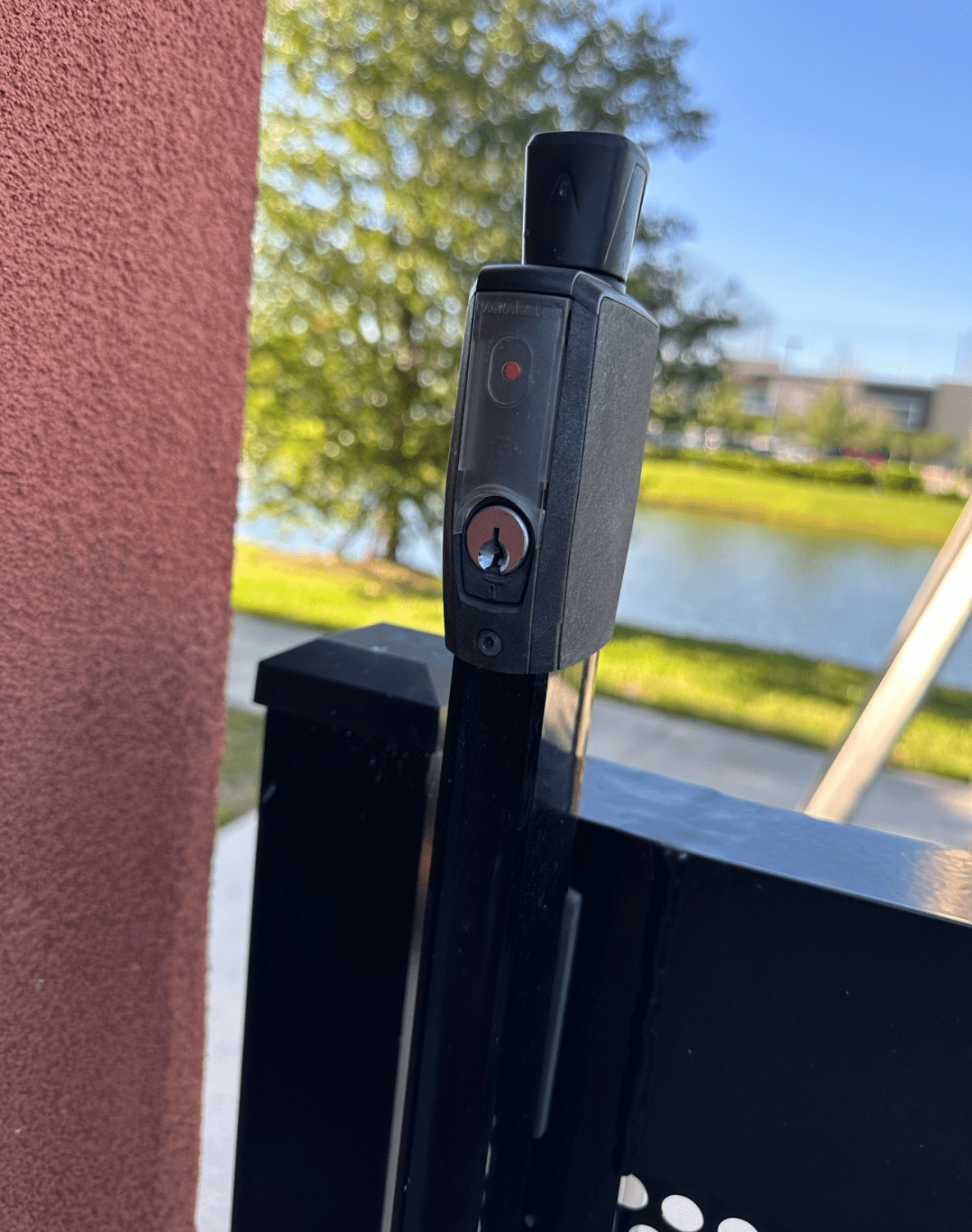
- Barrier and gate basics: latch function, self-closing behavior, obvious gaps, access points, and real-world control.
- Night swimming exposure: signage, lighting, operating hours, and authorization issues where applicable.
- Suction and fitting red flags: missing, damaged, questionable, or undocumented covers and fittings that should be corrected or referred.
- Electrical safety red flags: visible hazards, equipment conditions, shutoff access, and items that warrant licensed electrical follow-up.
- Deck and circulation hazards: trip edges, transitions, sharp edges, missing fittings, access points, and conditions that may drive injury risk.
- Equipment-area conditions: access, labeling, ventilation concerns, chemical exposure, obvious hazards, and recurring operational problems.
- Documentation gaps: missing closeout records, unclear vendor scope, repeat unresolved items, or issues that linger because no one owns the corrective plan.
- Training and management needs: whether the facility would benefit from internal education, vendor alignment, or Pool Safety & Compliance Training.
Related safety review: If the concern is a private or residential pool rather than a public or commercial facility, see Pool Safety & System Evaluation Consulting.
Aquatic Facility Risk Assessment Without Turning Every Issue Into Litigation
An aquatic facility risk assessment should help owners act earlier, not panic later. Some findings are immediate safety concerns. Some are maintenance issues. Some require licensed trade review. Some are documentation problems. Some are unresolved only because they have never been organized into a usable corrective plan.
Pool Envy® helps separate those categories so managers, boards, municipalities, and owners can understand what must happen first, what can be scheduled, and what requires another professional before a conclusion should be reached.
Immediate concerns
Conditions that may require prompt restriction, correction, or referral before continued operation is appropriate.
Corrective maintenance
Items that should be repaired, documented, and tracked so the same issue does not return every inspection cycle.
Specialty referrals
Electrical, HVAC, plumbing, engineering, structural, manufacturer, or jurisdictional review may be needed depending on the finding.
Closeout documentation
Corrective work should be documented so owners can show what was found, what was corrected, and what remains open.
Common Situations We See
Many public pool problems are not complicated because the issue is impossible to understand. They are complicated because no one has a clean file, the site has changed vendors, the same correction keeps appearing, or the facility has been managed through informal fixes instead of documented closeout.
Repeat inspection comments
The same issue appears again because the root cause was never corrected or the correction was never documented.
Vendor scope confusion
The service provider, owner, board, and manager may each assume someone else owns the safety or compliance issue.
Operational drift
Posted rules, real use, staff practices, access control, and maintenance routines no longer match each other.
New management takeover
A new manager inherits a troubled pool and needs a practical baseline before choosing repair priorities.
Photo Documentation And Corrective Planning
A useful audit should create a file that can be understood later. Photos, captions, plain-language notes, and severity ranking help owners avoid vague statements like “the pool needs work” or “the inspector did not like it.”
The goal is to make the next step clear: what was observed, why it matters, who should address it, whether it appears urgent, and whether more review is needed before a final conclusion is reached.
What You Receive
Deliverables are designed to be practical. The audit should help decision-makers, vendors, and managers work from the same information instead of relying on memory, text messages, or informal walk-through comments.
Severity summary
A concise ranking of the most important findings so decision-makers know what should be addressed first.
Photo documentation
Photos organized by area with short captions so the file remains usable after the site visit.
Corrective-plan notes
Practical next steps identifying what can be corrected, what should be referred, and what remains unknown.
Optional re-check
If corrections are made, a follow-up review may help document what was completed and what remains open.
How To Start
Public pool compliance audit work begins with written intake. Pool Envy® reviews the facility, requested scope, known concerns, and management objective before determining whether the matter fits our practice and what defined paid engagement is appropriate.
1) Written intake
Provide the address, facility type, known concern, recent inspection history, and management objective. Supporting records or photos can be requested after the initial review when appropriate.
2) Scope and engagement
If the request is accepted, Pool Envy® defines the engagement and completes the applicable terms, agreement, and payment steps before substantive review or site work is scheduled.
3) On-site documentation
Pool Envy® documents visible conditions, asks practical operational questions, and builds the corrective-plan framework.
4) Corrective plan and re-check
Findings are organized so the owner, board, manager, or vendor team understands what should happen next. A return visit may be used when needed to document completed corrections and remaining open items.
Related internal resources: For aging public-pool planning, see Municipal Pool Evaluation & Consulting. For insurance or pre-loss documentation, see Underwriting Pool Risk Assessment. For litigation or dispute-related review, see Aquatic Facility Expert Witness Services.
Public Pool Compliance Audit Is Not A Substitute For The Authority Having Jurisdiction
Pool Envy® does not replace public health departments, building officials, electrical inspectors, engineers, architects, manufacturers, laboratories, or other authorities. A public pool compliance audit is designed to help owners understand and document conditions, not to override jurisdictional enforcement.
That distinction matters. A practical owner-side audit can help the facility become more organized and more responsive, but final regulatory authority remains with the applicable agencies and officials.
External reference: Public aquatic facilities may involve public health rules and local enforcement. For general model guidance, see the CDC Model Aquatic Health Code resource.
Public Pool Compliance Audit FAQ
Is this the same as a health department inspection?
No. Pool Envy® provides an owner-side public pool compliance audit to document concerns, organize corrective priorities, and help the owner or manager understand next steps. Regulatory inspection authority remains with the applicable public health or code agency.
Will this help us avoid repeat violations?
It can help. The purpose is to document what is recurring, identify likely root causes or ownership gaps, and build a practical corrective plan so the same issue is not simply discussed again during the next inspection cycle.
Can vendors use the audit to quote corrective work?
Yes. The deliverable is intended to be useful. Photos, captions, scope notes, and priority categories can help vendors understand what is being requested and reduce confusion.
Is this a litigation or expert witness service?
No. This page is for non-litigation compliance and risk review. If the matter involves a claim, lawsuit, construction defect dispute, attorney-retained review, or formal expert opinion, the matter should be handled through Pool Envy®’s expert witness intake process.
Do you provide free public pool opinions?
No. New matters begin through written intake. Pool Envy® reviews the requested scope before accepting a defined paid engagement. Substantive review, opinions, document or photo evaluation, calls, or site work are handled only as part of an accepted engagement when appropriate.
Does Pool Envy® replace electricians, engineers, or inspectors?
No. Pool Envy® focuses on pool-specific documentation, field observation, code awareness, safety concerns, operational context, and corrective-plan organization. Some findings may require licensed trade, engineering, manufacturer, laboratory, public health, or jurisdictional review.
Need better documentation or a clearer plan for your public or commercial pool?
If your HOA, hotel, municipality, apartment community, club, school, camp, or commercial aquatic facility needs better documentation, a clearer corrective plan, assistance developing written procedures, or help establishing practical operating and safety protocols, Pool Envy® can help organize the next steps.
Whether you are dealing with repeat inspection comments, unclear vendor responsibility, barrier concerns, equipment-room issues, safety questions, incomplete records, or inconsistent operating practices, a defined public pool compliance audit can provide a practical starting point for documentation, planning, and corrective action.
Pool Envy® provides public pool compliance audit and technical consulting services only through accepted paid engagements. This page is educational in nature and does not provide legal advice, engineering analysis, public health approval, permit approval, manufacturer authorization, jurisdictional approval, or a formal expert opinion. Requirements, regulations, inspection expectations, corrective scope, and professional roles vary by location, facility type, and engagement scope.