

Electrical Safety · Equipotential Bonding · NEC Article 680
Pool Electrical Bonding: What It Actually Means
Pool electrical bonding is one of the most misunderstood parts of swimming pool construction, renovation, and inspection. Most pool owners have heard the term. Far fewer understand what bonding actually does, how it differs from grounding, or why a pool can appear to operate normally while important bonding defects remain concealed.
What Pool Electrical Bonding Is Designed to Do
A swimming pool brings people into direct contact with water, concrete, metal components, electrical equipment, and wet surfaces. If two conductive parts develop different electrical potentials, a person touching both could become part of the path between them.
Equipotential bonding connects the conductive components required by the applicable code so those components are maintained at substantially the same electrical potential.
Depending on the pool and its construction, the bonding system may involve reinforcing steel, perimeter surfaces, ladders, handrails, metal fittings, light niches, pumps, heaters, water-bonding components, and other conductive parts.
A pool can appear completely normal and still have bonding defects.
The water may circulate, the heater may operate, and the lights may turn on. None of those conditions proves that the equipotential bonding system is complete, continuous, or code compliant.
Grounding helps address electrical faults. Equipotential bonding helps reduce voltage differences within the pool environment. A safe installation may require both, but they do not perform the same function.
Bonding Is Not the Same as Grounding
The terms are often used interchangeably in casual conversation, but they describe different parts of the electrical-safety system.
A Path for Fault Current
Equipment grounding generally provides an effective fault-current path so an overcurrent protective device can respond when energized electrical equipment develops a fault.
Grounding connects electrical equipment to the premises grounding system. It does not replace the pool’s equipotential bonding requirements.
Reducing Voltage Differences
Equipotential bonding connects required conductive parts within the pool environment to help reduce voltage gradients between those parts.
The objective is not merely to connect a copper conductor to the equipment grounding system. It is to create the bonding arrangement required for the particular pool and its surrounding environment.
Why Pool Bonding Defects Matter
Bonding failures are often hidden beneath concrete, decking, plaster, equipment pads, and previous repairs. They may remain unnoticed until a renovation, electrical problem, failed inspection, complaint, or incident causes someone to examine the system more closely.
Voltage-Gradient Concerns
Missing or incomplete bonding may allow voltage differences to exist between conductive parts and surfaces that swimmers or people on the deck could contact.
Inspection and Permit Problems
Bonding deficiencies can create correction requirements when construction, remodeling, equipment replacement, or electrical work is reviewed by the authority having jurisdiction.
Responsibility and Liability Questions
When an incident or construction dispute occurs, the bonding system, prior modifications, inspection records, and the identity of those performing the work may become important.
Start with a documented review
Many bonding concerns cannot be confirmed from photographs or a brief visual glance. A documented Safety & System Evaluation is often the most effective place to begin.
When the concern involves disputed work, recurring failures, property damage, or potential litigation, review Pool Failure Analysis .
What Bonding Defects Look Like in the Real World
Bonding problems often surface during inspections, remodeling, equipment replacement, or failure investigations. This discussion explains how those conditions appear in the field and what commonly gets overlooked.
What a Pool Bonding Evaluation May Include
A meaningful bonding review is not limited to locating one copper wire. The pool, surrounding surfaces, electrical equipment, lighting, water, and previous modifications must be considered as an interconnected system.
Metal Components Near the Water
Handrails, ladders, anchors, cups, and related conductive components are evaluated for the required connections, connector type, condition, and continuity.
Intentional Water Bonding
The adopted version of NEC 680.26(C) is reviewed to determine whether the pool water has the required conductive surface area in direct contact with the water.
Pumps, Heaters, and Metal Equipment
Pumps, heaters, automation, metal housings, equipment supports, and other components are reviewed to determine whether required bonding connections are present and appropriate.
Deck and Equipotential Bonding
Reinforcing steel, perimeter conductors, conductive paving, and connections around the pool may require evaluation for layout, continuity, and attachment to the other bonded components.
Light Niches and Junction Boxes
Wet-niche luminaires, forming shells, junction boxes, transformers, conduits, and associated components are reviewed under the applicable pool-lighting requirements.
Renovations and Repairs
Deck replacement, resurfacing, tile work, lighting repairs, and equipment upgrades can damage, disconnect, conceal, or bypass portions of the original bonding system.
Planning pool remodeling work?
Bonding should be considered before concrete, coping, tile, plaster, or equipment work conceals the conditions that need to be evaluated.
Read the Swimming Pool Renovation Guide before selecting the project scope or contractor.

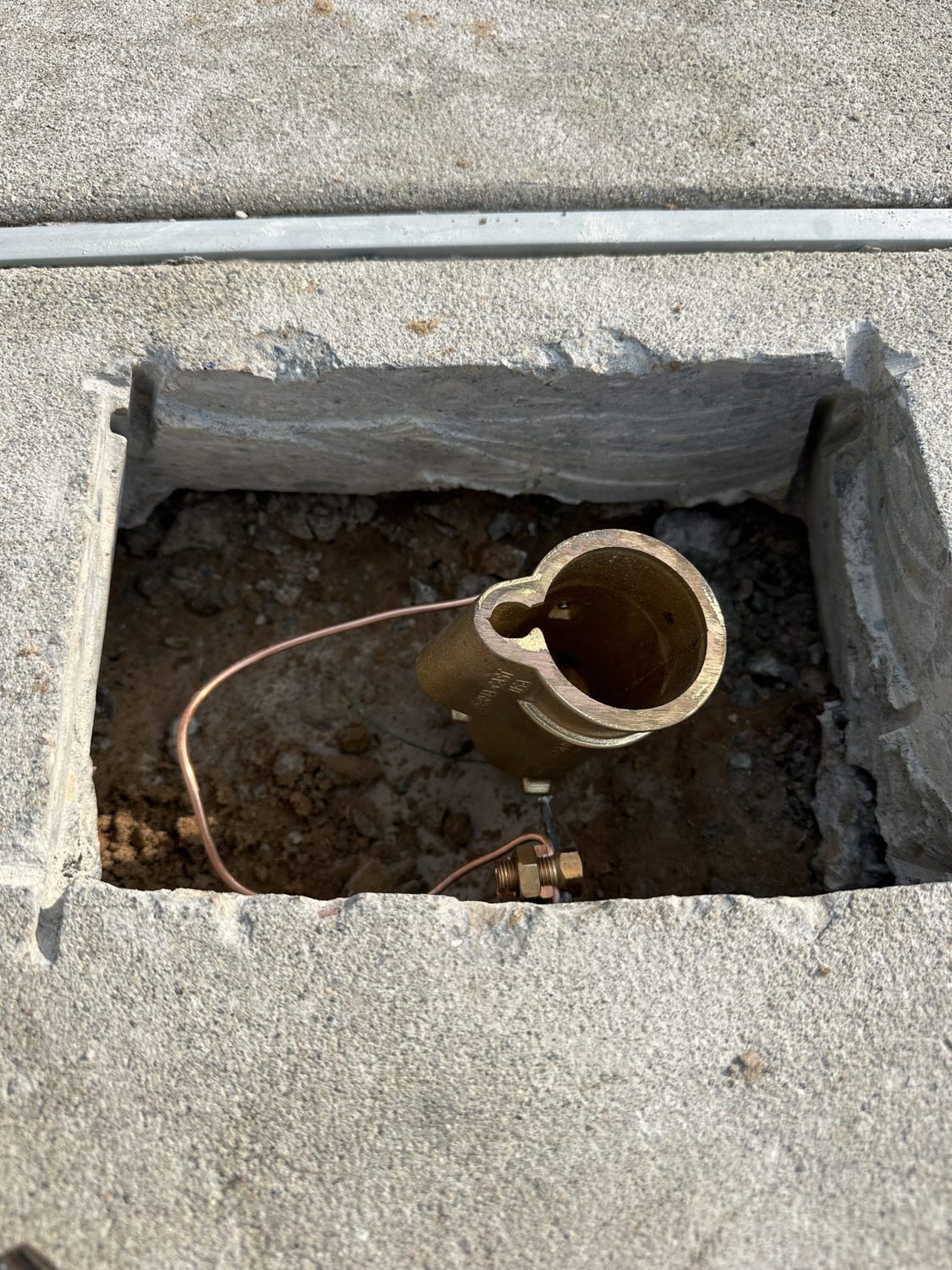
A Visible Copper Wire Does Not Prove the Pool Is Bonded
One of the most common misunderstandings is the assumption that any visible bare copper conductor proves that the entire pool bonding system is correct.
A conductor could be disconnected at another location, connected to only one component, corroded beneath the deck, attached with an unsuitable fitting, or separated from portions of the system during previous work.
The relevant question is whether all parts required by the adopted code have been bonded together using appropriate materials, connectors, locations, and installation methods.
“It has always worked” is not an electrical test.
Normal operation does not verify bonding continuity, GFCI performance, proper wiring methods, or the absence of hazardous voltage differences.
When Bonding Problems Commonly Appear
Bonding defects are frequently discovered when another project exposes the original construction or interrupts a connection that had remained buried for years.
- Pool equipment is replaced without confirming the existing bonding system.
- Concrete or decking is removed and the perimeter bond is cut or discarded.
- Handrails or ladders are replaced without verifying the bonding connection.
- Pool lights, niches, transformers, or junction boxes are modified.
- A water-bonding component is removed during plumbing or equipment changes.
- Bonding conductors become buried, corroded, abandoned, or disconnected.
- Contractors incorrectly assume grounding and bonding are interchangeable.
- A pool is resurfaced without evaluating conditions that will soon be concealed.
Project Examples: Conditions We Evaluate
These photographs illustrate the types of components and construction conditions considered during a pool electrical bonding review. A photograph alone does not establish that a condition is compliant or defective.
Handrails and Ladders
Bonding lugs, brass anchors, conductive rails, connectors, and copper conductors are reviewed for connection, continuity, condition, and workmanship.
Equipment Pads
Pumps, heaters, metal housings, supports, conduits, and automation components are evaluated for bonding connections and related electrical conditions.

Reinforcing Steel and Perimeter Bonding
Reinforcing steel, perimeter conductors, listed connectors, and the relationship between the deck and other bonded components are considered.

Lights and Junction Boxes
Pool lights, forming shells, wet niches, junction boxes, transformers, conduits, and related electrical work require specialized review.
Electrical Safety Does Not Stop at the Pool Edge
NEC Article 680 addresses swimming pools, fountains, and similar installations. Decorative ponds, hotel water features, artificial waterfalls, and miniature golf streams may also contain pumps, lighting, transformers, controls, and other electrical equipment.
That does not mean every fountain or decorative pond is unsafe. It means electrical equipment around water requires appropriate design, protection, installation, and maintenance even when the public does not think of the feature as a swimming pool.
Read Decorative Fountain Electrical Safety to learn why posted restrictions around fountains, hotel water features, and miniature golf ponds deserve attention.
Water May Hide an Entire System
What appears to be a simple pond or waterfall may include submersible pumps, underwater lights, conductors, transformers, controls, and equipment hidden within landscaping.
The public generally cannot determine the voltage, equipment listing, protection, or maintenance history by looking at the water.
Before You Assume a Pool Is Properly Bonded
- Do not assume a visible copper conductor proves the system is complete.
- Do not assume grounding and equipotential bonding are the same thing.
- Do not assume previous repairs preserved the original bonding path.
- Do not assume a resurfaced or remodeled pool was electrically reevaluated.
- Do not assume normal equipment operation proves electrical safety.
- Do not assume a prior inspection evaluated concealed conditions that were inaccessible.
- Do not allow new concrete or finishes to conceal questionable work without documentation.
Pool Electrical Bonding Questions
What is the primary purpose of pool electrical bonding?
Equipotential bonding connects required conductive parts within the pool environment to help reduce voltage differences between components and surfaces that a person may contact.
Are grounding and bonding the same thing?
No. Equipment grounding generally provides a path for fault current. Equipotential bonding connects required conductive parts to help reduce voltage gradients in the pool area. Both may be required, but they serve different purposes.
Does a visible copper wire prove that the pool is bonded?
No. A visible conductor does not establish where it goes, whether it remains continuous, whether all required parts are connected, or whether suitable connectors and installation methods were used.
Can a pool operate normally with a bonding defect?
Yes. Pumps, heaters, automation, and lights may continue operating even when part of the equipotential bonding system is incomplete, disconnected, or deteriorated.
Can a pool pass an inspection and still have a concealed bonding problem?
It is possible for concealed, inaccessible, undocumented, or later-modified conditions to remain undiscovered. The scope of an inspection also depends on the work being permitted, what was visible, the adopted code, and the information available to the inspector.
When should bonding be reviewed during a renovation?
Bonding should be considered before demolition and again before new concrete, tile, coping, plaster, or equipment installations conceal the areas where bonding components and connections may need to be inspected or corrected.
Does pool water need to be bonded?
NEC 680.26(C) includes intentional pool-water bonding requirements. The specific installation should be evaluated under the NEC edition and local amendments adopted by the jurisdiction.
Who should evaluate a pool bonding system?
Pool electrical concerns should be evaluated by properly qualified and licensed professionals familiar with NEC Article 680, swimming pool construction, pool equipment, lighting, renovations, and the applicable local requirements.
Related Pool Envy® Resources
Safety & System Evaluation
A documented review of pool electrical, hydraulic, equipment, structural, safety, and system conditions.
Swimming Pool Renovation Guide
What homeowners should evaluate before tile, coping, plaster, equipment, waterproofing, deck, or structural work begins.
Decorative Fountain Electrical Safety
Why fountains, hotel water features, waterfalls, and miniature golf ponds may contain electrical equipment that visitors never see.
Pool Failure Analysis
Technical review for recurring failures, disputed construction, property damage, prior repairs, and complex system defects.
Official electrical references
NFPA: Code-Compliant Electrical Installation and Swimmer Safety
Standards, Not Suggestions.
Pool Envy® evaluates pool electrical bonding, grounding, lighting, junction boxes, equipment installations, and other conditions that may not be obvious during an ordinary visual review.
When prior work, remodeling, a failed inspection, unexplained electrical conditions, or a suspected construction defect is involved, begin with a documented evaluation rather than assumptions.