

Licensed Review · Documented Findings · Clear Next Steps
Safety & System Evaluation
Every new Pool Envy® client begins with a paid Safety & System Evaluation. This on-site professional service is designed to identify visible safety concerns, system conditions, code-related issues, and practical next steps before repair or renovation work is proposed.
What a Safety & System Evaluation Does
A swimming pool is not a collection of unrelated parts. Electrical, hydraulic, heating, structural, water-quality, and safety conditions often affect one another.
Replacing one component without understanding the system can leave the original problem unresolved—or create new problems elsewhere.
The evaluation gives Pool Envy® an opportunity to examine the property, discuss the history of the concern, document visible conditions, and determine whether the issue appears suitable for repair, further testing, specialized trade involvement, permit coordination, or more detailed investigation.
Diagnosis comes before repair.
Pool Envy® does not schedule repair work for an unfamiliar system based only on a phone call, a few photographs, or another contractor’s assumptions.
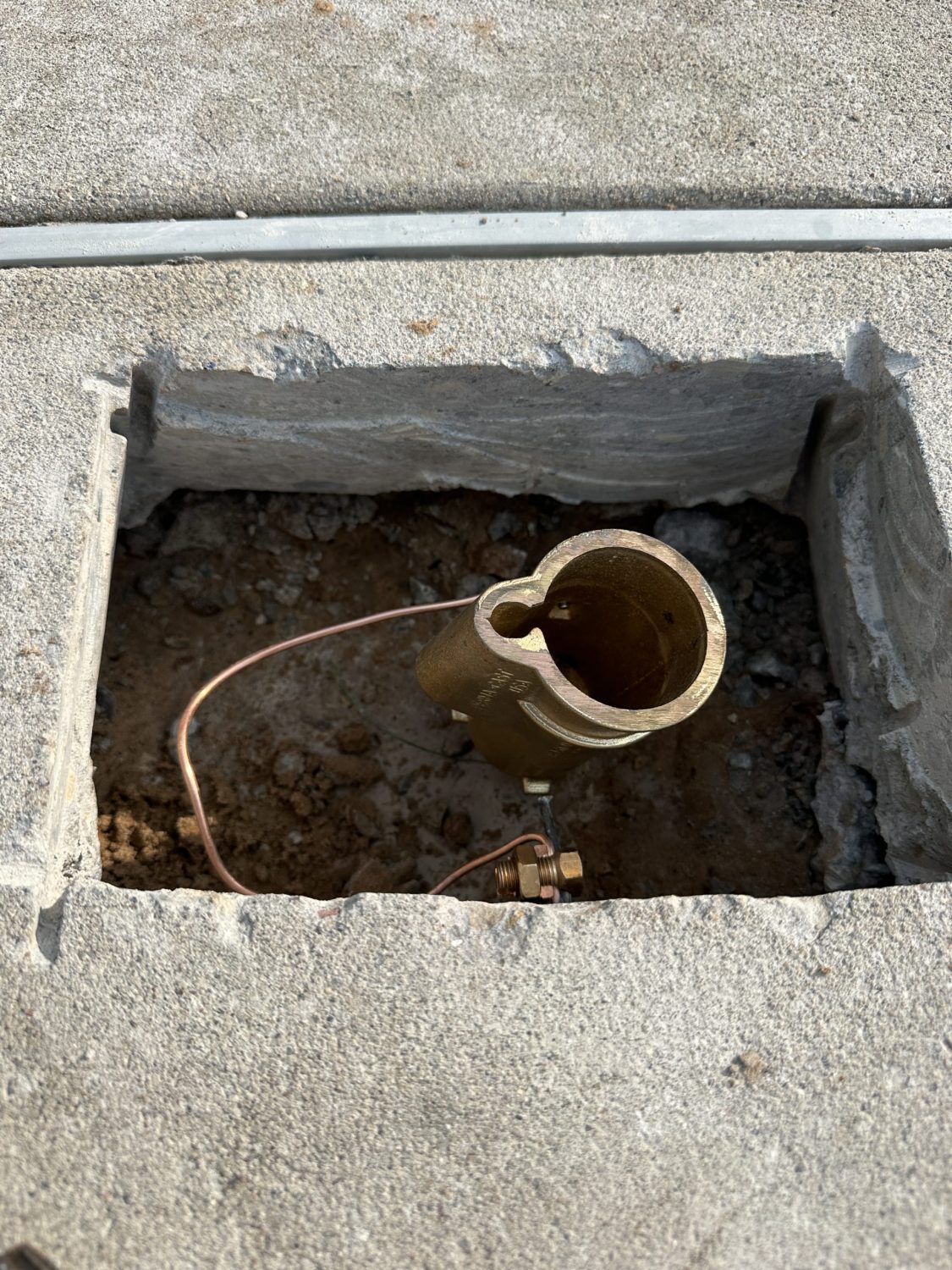
The purpose of the evaluation is not to sell the fastest repair. It is to establish a defensible understanding of the pool before decisions are made.
What We May Evaluate
The evaluation is adapted to the pool, the reported concern, the property, and the conditions accessible during the visit. Not every category applies to every pool.
Bonding, GFCI, Lighting, and Wiring
Visible electrical conditions may include equipotential bonding, equipment grounding, GFCI protection, pool lights, junction boxes, conduits, disconnects, wiring methods, and equipment connections.
Pumps, Filters, Heaters, and Controls
Equipment condition, installation, accessibility, piping, valves, supports, controls, apparent leakage, and serviceability may be reviewed.
Gas, Venting, and Combustion Air
Where applicable, heater installation, venting, termination, make-up air, gas piping, sediment traps, clearances, and equipment-room conditions may be documented.
Circulation, Suction, and Return Systems
Visible plumbing arrangement, suction configuration, return flow, equipment sizing concerns, restrictions, air intrusion, and circulation behavior may be considered.
Tile, Coping, Deck, and Interior Finish
Visible cracking, displacement, deterioration, staining, delamination, movement-joint concerns, water loss indicators, and prior repair work may be documented.
Barriers, Entrapment, and Access Conditions
Depending on scope, visible drain covers, barriers, gates, covers, ladders, handrails, suction outlets, equipment access, and other safety-related conditions may be reviewed.
Examples of Conditions We Document

Equipotential Bonding
Visible perimeter, reinforcing-steel, equipment, rail, ladder, and water-bonding conditions may require evaluation.

Lights and Junction Boxes
Pool-light niches, junction boxes, transformers, conduit, clearances, and visible installation concerns may be documented.

Heater and Venting
Venting, combustion air, terminations, clearances, gas piping, and equipment-room conditions may affect safe operation.

Equipment Pad
Pumps, heaters, filters, plumbing, valves, controls, bonding, supports, and service access are considered together.
What You Receive
Unless a different deliverable is specifically included in writing, the Safety & System Evaluation generally includes:
- An on-site review of the agreed pool and equipment concerns
- Discussion of the system history and reported symptoms
- Photographs and field notes as appropriate to the evaluation
- A verbal explanation of significant visible findings
- A written email summary identifying concerns and recommended next steps
- Direction on whether repair, testing, trade coordination, or further investigation appears appropriate
A formal written report is not automatically included.
Formal reports, repair designs, engineering opinions, litigation materials, exhaustive code analyses, destructive testing, and permit documents require separate scope and written authorization.
How the Evaluation Process Works
Submit the Intake Form
Tell us about the property, pool type, symptoms, known history, location, and the reason you are requesting an evaluation.
Scope and Invoice
Pool Envy® reviews the intake, confirms whether the project is a fit, establishes the evaluation scope and travel, and issues the invoice.
On-Site Evaluation
The evaluation is performed on site. Visible conditions are reviewed and discussed within the limits of the agreed scope and accessible areas.
Findings and Next Steps
You receive an explanation and written summary. Any later repair or construction work is separately scoped, scheduled, and invoiced.
The Evaluation Is a Standalone Professional Service
The Safety & System Evaluation has value whether or not Pool Envy® performs later work. The service provides professional time, site review, technical analysis, documentation, and practical direction.
The evaluation fee is not credited toward future repairs, replacement, renovation, or construction.
Repair or construction work is not guaranteed. Pool Envy® may determine that a project requires a different trade, engineering, destructive testing, code-official input, manufacturer involvement, or a contractor better suited to the requested work.
What the Safety & System Evaluation Is Not
The evaluation is intentionally defined so clients understand what is—and is not—being purchased.
- It is not a free estimate or complimentary sales consultation.
- It is not a guarantee that Pool Envy® will perform future repairs.
- It is not a complete invasive inspection of every concealed component.
- It is not engineering, architectural, surveying, or laboratory testing.
- It is not a formal permit application or code-compliance certification.
- It is not a real-estate home inspection or appraisal.
- It is not intended for litigation, insurance claims, or expert testimony unless separately retained for that purpose.
- It does not include destructive testing unless specifically authorized in writing.
When an Evaluation Is Especially Helpful
The Same Repair Keeps Failing
Repeated leaks, heater shutdowns, poor circulation, air intrusion, staining, electrical trips, or equipment failures may indicate a broader system problem.
Prior Work Is Unclear
Older pools and recently purchased properties may contain undocumented renovations, abandoned equipment, concealed modifications, or conflicting repair histories.
Major Work Is Being Considered
Tile, coping, plaster, deck, cover, lighting, heater, or equipment projects can expose existing conditions that should be understood before new materials conceal them.
Electrical or Gas Concerns Exist
Bonding, lighting, GFCI, junction-box, heater-venting, gas-piping, combustion-air, or equipment-room concerns deserve review before routine repair decisions.
Contractors Disagree
An evaluation can help separate observable conditions from assumptions when different contractors have proposed incompatible repairs.
You Need a Logical Starting Point
When the problem is complex or poorly defined, the evaluation organizes the concerns and helps establish the correct order of operations.
Related Pool Envy® Resources
Pool Electrical Bonding
Learn why equipotential bonding is different from grounding and why a visible copper conductor does not prove the pool is properly bonded.
Pool Heater Repair and Evaluation
Review common heater installation, venting, combustion-air, gas, electrical, and equipment-room concerns.
Swimming Pool Renovation Guide
What homeowners should consider before tile, coping, plaster, waterproofing, equipment, deck, or structural work begins.
Decorative Fountain Electrical Safety
Why fountains, waterfalls, hotel water features, and miniature golf ponds may contain electrical equipment the public never sees.
Pool Failure Analysis
Technical review for recurring failures, disputed work, property damage, prior repairs, and more complex system conditions.
NFPA Pool Electrical Safety
An external overview of pool electrical installation, grounding, bonding, GFCI protection, and swimmer safety.
Safety & System Evaluation Questions
Is the Safety & System Evaluation required for new clients?
Yes. Pool Envy® requires new clients and unfamiliar systems to begin with a paid evaluation before repair or renovation work is considered. This allows the concern to be reviewed and documented before a scope is proposed.
Is the evaluation fee credited toward repairs?
No. The evaluation is a standalone professional service. Its fee is not credited toward future repairs, replacement, renovation, or construction. Any later work is separately scoped and invoiced.
Does the evaluation include a formal written report?
Not unless a formal report is specifically included in the written scope. The standard evaluation generally includes the on-site review, verbal discussion, photographs and notes as appropriate, and a written email summary.
Will I receive a repair quote during the visit?
Not necessarily. The purpose of the visit is evaluation and diagnosis. Repair scope, materials, trade involvement, permits, testing, and scheduling may need to be determined after the findings are reviewed.
Does Pool Envy® guarantee that it will perform the repairs?
No. The evaluation may determine that the work requires another licensed trade, engineering, manufacturer involvement, invasive testing, or a project scope Pool Envy® does not accept.
Can you evaluate pool electrical bonding and lighting?
Yes, visible pool electrical concerns may be reviewed within the agreed scope. These may include equipotential bonding, GFCI protection, pool lights, junction boxes, conduits, wiring methods, and equipment connections.
Can you evaluate heater venting and combustion air?
Where applicable, the evaluation may include visible heater installation, venting, combustion-air, clearance, gas-piping, electrical, and equipment-room conditions. Additional trade or permit review may still be required.
Can this evaluation be used for litigation or an insurance claim?
Not without a separate written engagement. Litigation consulting, expert review, formal opinions, insurance documentation, deposition work, and testimony require a different scope, fee structure, and retention agreement.
What happens after I submit the form?
Pool Envy® reviews the information to determine whether the request is a fit. If accepted, the evaluation scope, travel, availability, and fee are confirmed, and an invoice is issued before the appointment is reserved.
Start With the System, Not the Symptom.
A proper evaluation creates a clearer understanding of the pool before repair decisions are made. It helps identify visible concerns, establish priorities, and determine whether the next step is repair, additional testing, trade coordination, or a more detailed technical review.
Request a Safety & System Evaluation
Complete the intake form with as much detail as possible. Include the property location, pool type, known history, symptoms, photographs, and the reason you are requesting an evaluation.